| Native Title | 만약에 우리 |
| Also Know as | We, Us and Them; If We; Manyake Woori; Manyage Uri; In The Distant Future; Meon Husnal Uri; 먼 훗날 우리 |
| Director | Kim Do-Young |
| Writer | Yeum Moon-Keung, Kim Ha-Na |
| Distributor | Showbox |
| Air Time | Wednesday |
| Content Rating | 15+ - Teens 15 or older |
| Runtime | 114 minutes |
| Genre | Romance, Melodrama, Life |
| Language | Korean |
| Country | South Korea |
| Release Date | 2025-12-31 |
In the landscape of contemporary Korean cinema, few films capture the bittersweet essence of young love and its lingering echoes quite like "Once We Were Us." Released at the tail end of 2025, this romantic drama has quickly become a poignant reflection on how time reshapes relationships, blending nostalgia with raw emotional depth. Directed by Kim Do-young, the film is a remake of the 2018 Chinese hit "Us and Them," reimagined with a distinctly Korean sensibility that grounds its universal themes in the bustling streets of 2000s Seoul.
"Once We Were Us" (native title: "만약에 우리") unfolds across two timelines, weaving the vibrant chaos of youth with the quiet regrets of adulthood. Set primarily in 2008, it follows two dreamers navigating the highs and lows of early love amid the pressures of city life. Fast-forward a decade, and their unexpected reunion forces a reckoning with what was lost. With a runtime of 114 minutes, the film employs a mix of colorful flashbacks and stark present-day scenes to highlight the passage of time, creating a visual poetry that resonates long after the credits roll. Produced by Heo Seong-jin and distributed by Showbox, it premiered on December 31, 2025, just in time to usher in the new year with tears and tender what-ifs.
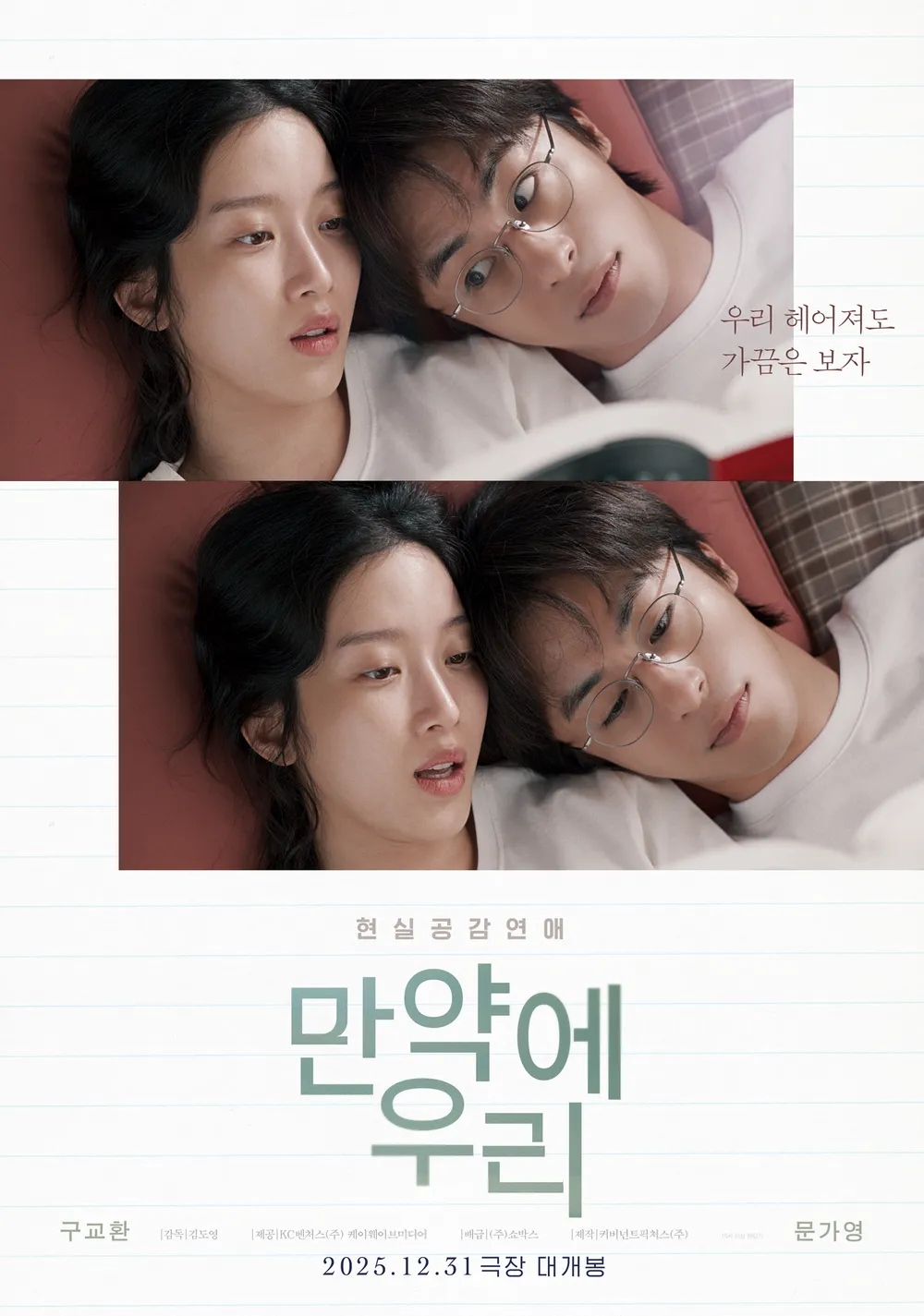
The story begins in 2008, as Lee Eun-ho boards an express bus to his hometown, carrying the weight of unspoken ambitions. Seated next to him is Han Jeong-won, a young woman pausing her studies for a much-needed break. What starts as a chance encounter blossoms into an unlikely friendship, fueled by shared dreams and the electric energy of their twenties. As they integrate into each other's lives in Seoul – reading side by side in sunlit rooms, stealing quiet moments at home, and supporting one another's aspirations – they evolve into passionate lovers. Laughter, arguments, reconciliations, and stolen kisses paint their romance in vivid strokes, but harsh realities soon intrude. Overwhelmed by work, life, and diverging paths, they face a painful breakup, where small cracks widen into an unbridgeable chasm.
Ten years later, fate intervenes on a flight back to Korea. Now strangers shaped by time, Eun-ho and Jeong-won reunite, their eyes meeting across the aisle with a mix of recognition and restraint. As they reflect on the past – Eun-ho haunted by the regret of letting her go, Jeong-won grappling with the "us" that slipped away – the film delves into the quiet devastation of missed opportunities. Voice-overs and flashbacks reveal promises whispered in the heat of youth, like vows of happiness "until death do us part," now echoing as hollow reminders. Through it all, the narrative questions: Can the brightest moments of our lowest times ever truly fade?
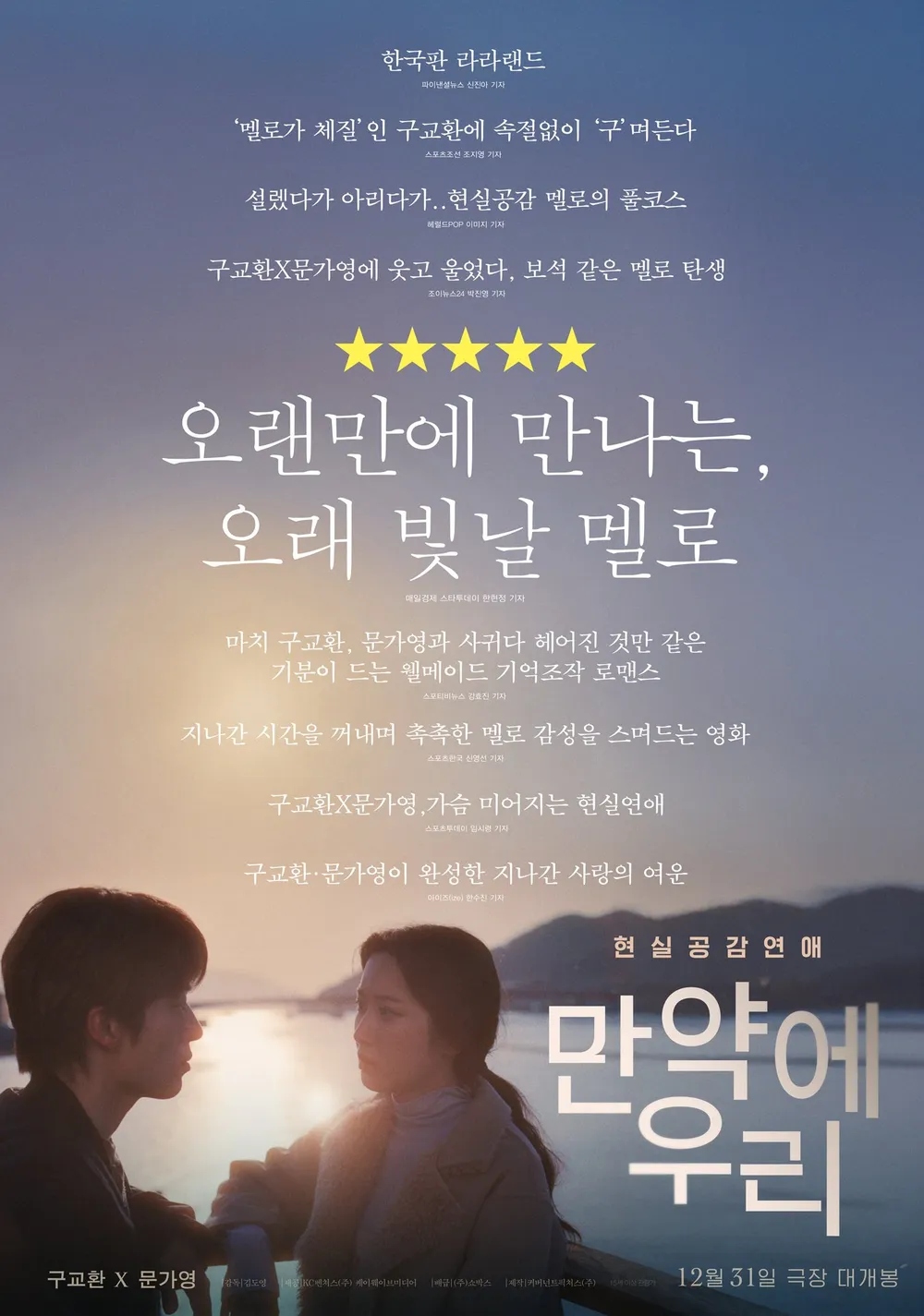
"Once We Were Us" arrived with understated buzz but swiftly proved its staying power at the box office. Opening on 961 screens across South Korea, it debuted in second place, drawing 110,326 admissions on its first day. By early 2026, it became the first film of the year to surpass 1 million moviegoers, approximately $10 million from over 1 million tickets sold.
Audiences have embraced its nostalgic pull and emotional authenticity, praising the seamless blend of humor, heartache, and hope that mirrors the messiness of real relationships.
Adapted from the beloved Chinese film "Us and Them," the Korean version localizes the story with Seoul's high-rise sprawl contrasting quieter districts, evoking the anxiety of youthful uncertainty. Filming kicked off in March 2024, with cinematographer Shin Tae-ho masterfully using color for the past and desaturated tones for the present.
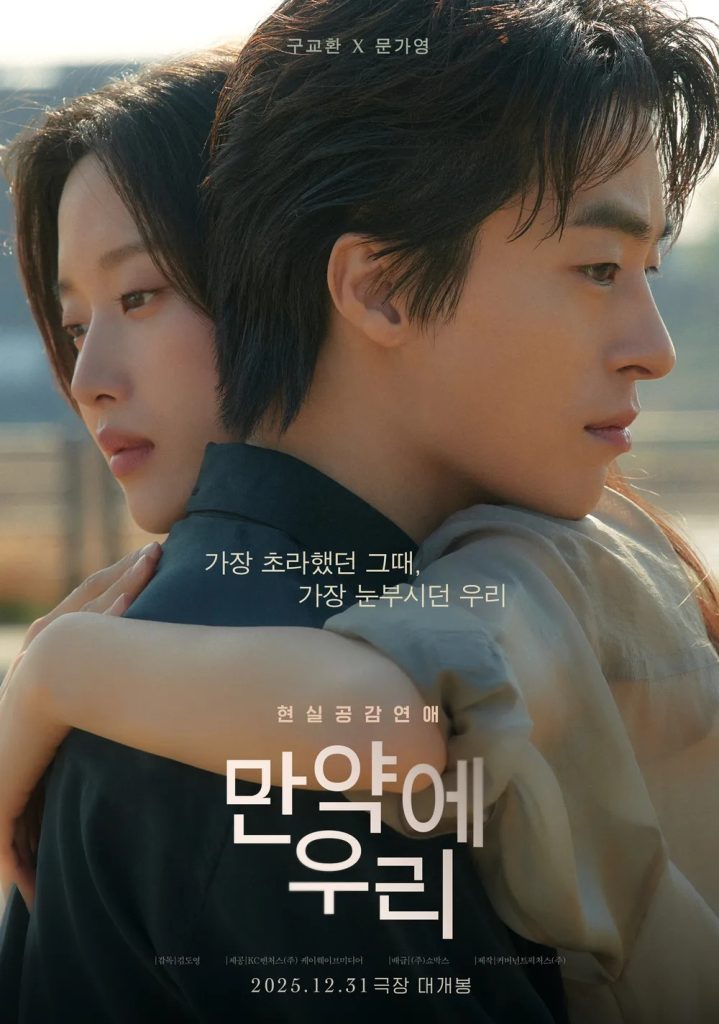
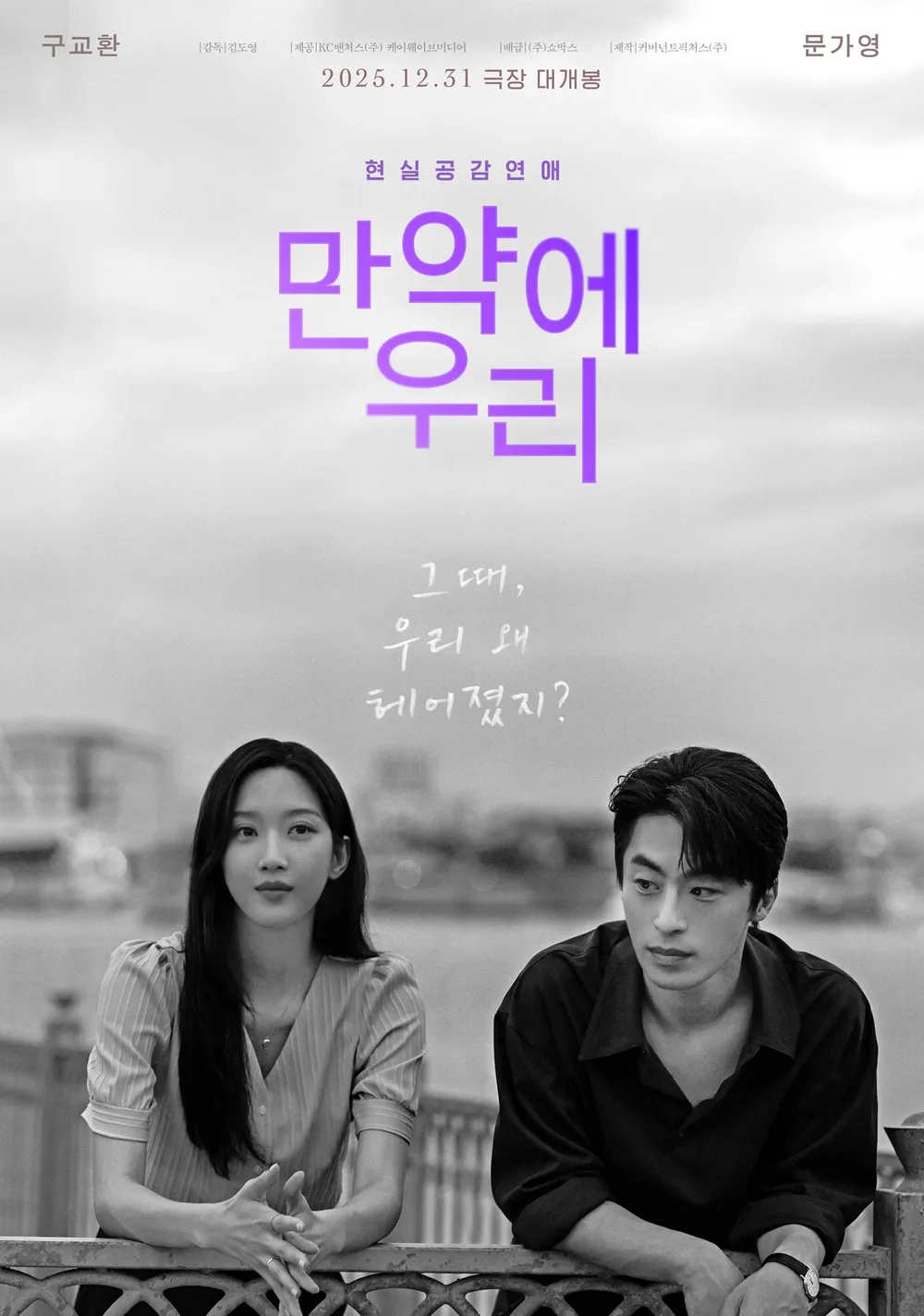
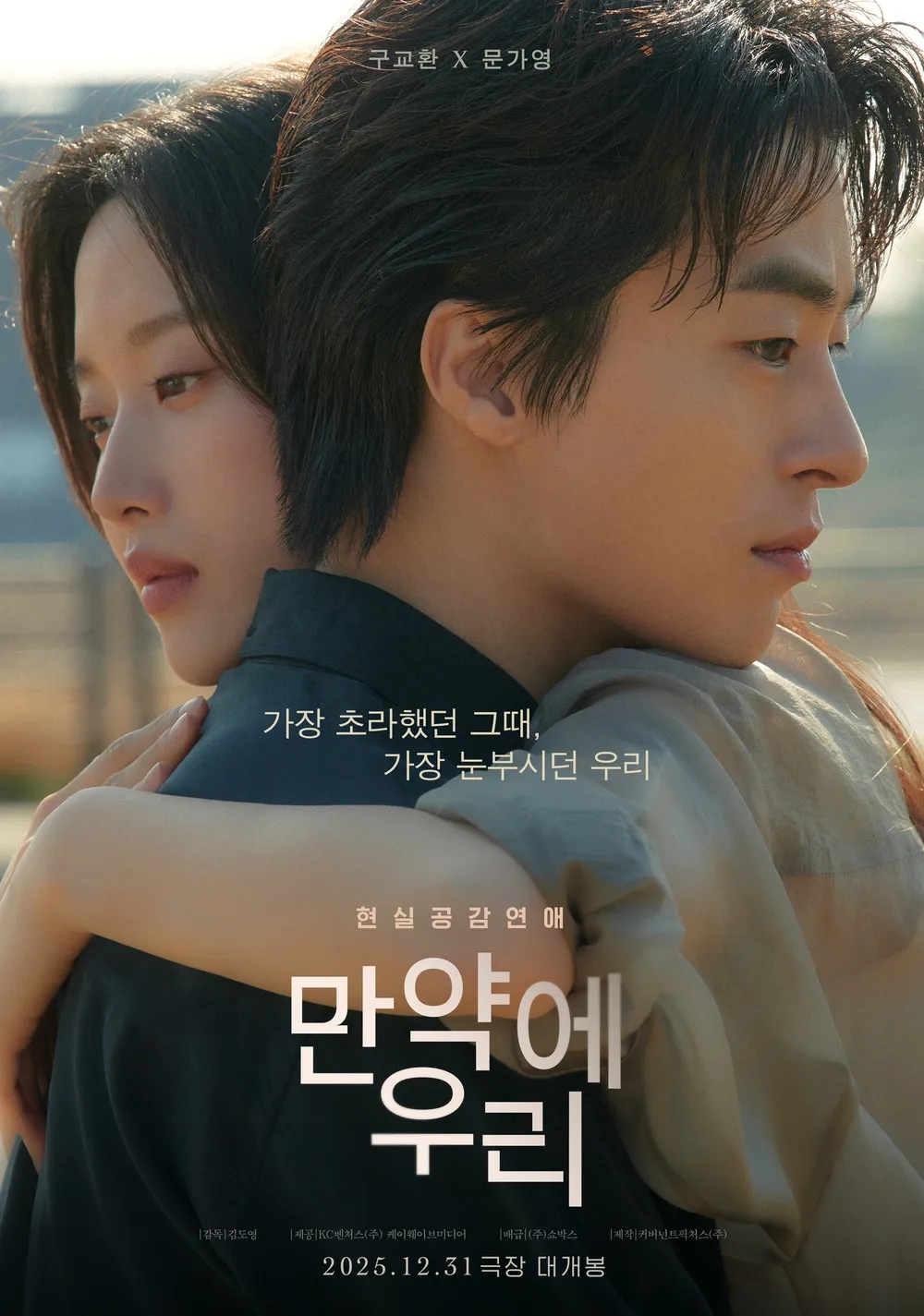
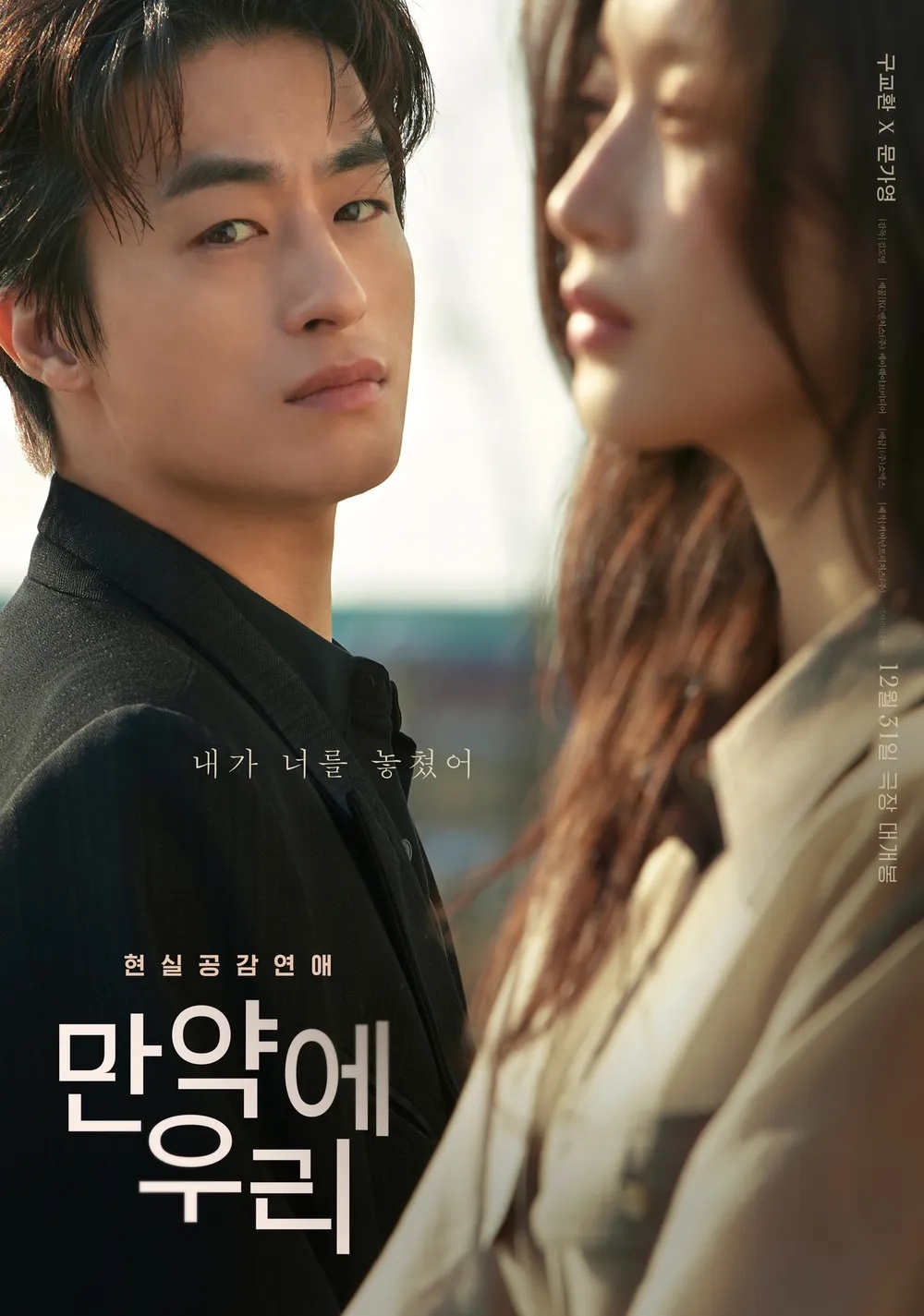
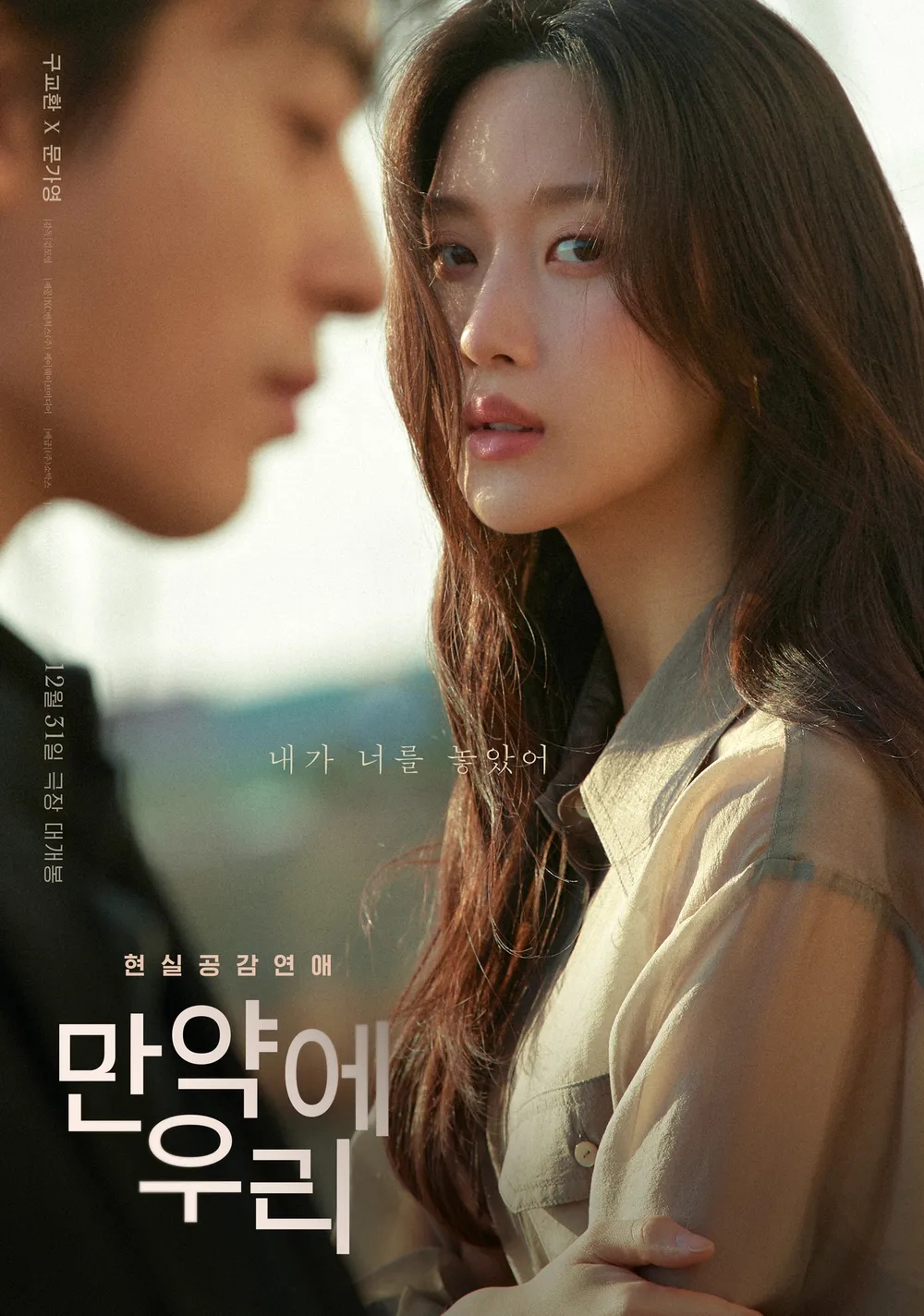
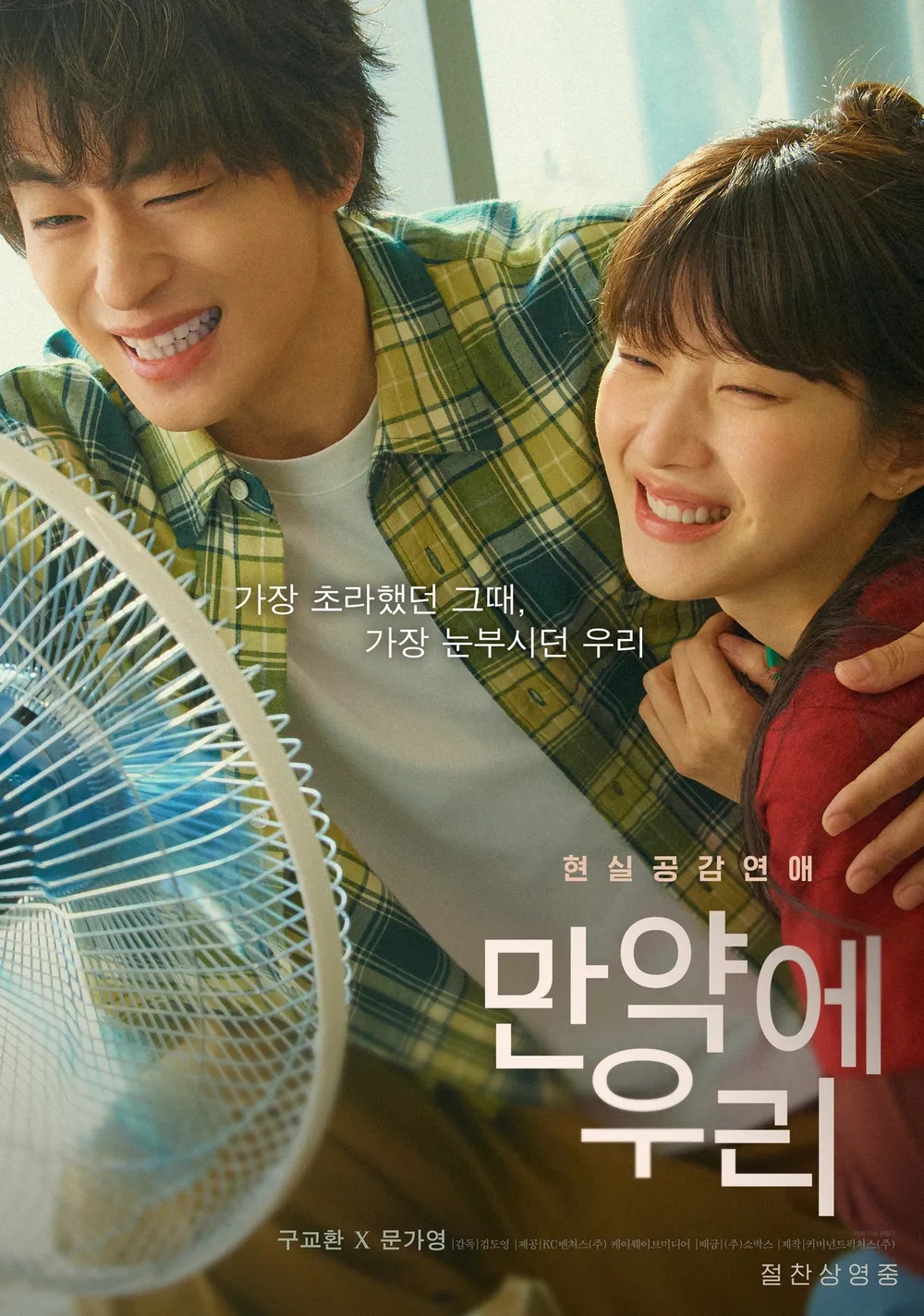
The first trailer dropped on November 13, 2025, featuring a drenched Eun-ho chasing a subway train – a scene that exploded online for its raw regret. Posters, inspired by fan art from that viral moment, capture pivotal embraces and averted gazes, with taglines like "Even if we break up, let’s still see each other sometimes" striking a chord.
Set against a 2000s backdrop, the film revels in era-specific details: plaid shirts, old photo-album aesthetics, and references to fictional couples like Eric and Jane, symbolizing love's fragile happily-ever-afters.
Talks for Mun Ka-young and Koo Kyo-hwan began in December 2023, their natural rapport shining through in stills of side-by-side readings and final hugs that feel ripped from a cherished memory.
"Once We Were Us" is more than a romance – it's a gentle excavation of the heart, reminding us that the people who once lit up our world never fully dim. In an era of fleeting connections, its unflinching look at love's impermanence feels both devastating and cathartic. Whether you're reminiscing about your own "what ifs" or simply craving a story that honors the beauty in goodbyes, this film delivers with grace and grit. It's a testament to Korean cinema's knack for turning personal pain into universal poetry.
In theaters starting December 31, 2025.
Discover the rich world of Korean cinema on our Korean Movie Review Page — your trusted source for thoughtful, spoiler-free reviews of the latest K-dramas, blockbuster films, and independent masterpieces from South Korea. From gripping thrillers and heartfelt romances to historical epics and groundbreaking storytelling, we dive deep into each film's plot, direction, performances, cinematography, and cultural impact. Whether you're a longtime fan of Korean movies or just getting started, our reviews help you explore the best of what Hallyu has to offer. We also highlight must-watch classics, award-winning films, and hidden gems, while providing ratings, trailers, and user comments to help guide your viewing choices. Stay up to date with the vibrant and ever-evolving world of Korean cinema — all in one place.