| Native Title | 블러디 플라워 |
| Also Know as | The Flower of Death |
| Director | Han Yoon-Sun |
| Writer | Lee Dong-Geon (novel) |
| Air Time | Wednesday |
| Content Rating | 15+ - Teens 15 or older |
| Runtime | 8 episodes |
| Genre | Thriller, Crime, Mystery, Psychological |
| Language | Korean |
| Country | South Korea |
| Release Date | 2026-02-04 |
| End Date | 2026-02-25 |
In the landscape of Korean dramas, few stories dare to probe the shadowy intersections of justice, science, and humanity as boldly as "Bloody Flower." This 2026 thriller arrives like a scalpel to the conscience, slicing through ethical dilemmas with precision and leaving viewers questioning the cost of salvation. Premiering amid high anticipation, the series has already sparked conversations about the blurred lines between villain and visionary. Let's dive into what makes this eight-episode miniseries a standout.
"Bloody Flower" (Korean: "블러디 플라워") is a gripping crime thriller infused with psychological depth and mystery elements, unfolding over eight taut episodes, each clocking in at around 70 minutes. Directed by Han Yoon-sun, it premiered on February 4, 2026, releasing two episodes weekly on a major streaming platform. Adapted from the novel "The Flower of Death" by Lee Dong-geon, the drama explores biotechnology's dark underbelly through human experimentation and serial killings. Set against a backdrop of courtrooms, operating rooms, and interrogation cells, it challenges viewers to confront uncomfortable truths about progress at any price. With its compact format, the series builds relentless momentum, making it ideal for binge-watchers craving intellectual thrills.
At the heart of "Bloody Flower" lies a paradox: a man accused of heinous crimes who holds the key to eradicating humanity's deadliest afflictions. The story centers on Lee Woo-gyeom, a brilliant but dropout medical prodigy arrested for a string of kidnappings and murders totaling over 200 victims – acts he frames not as atrocities, but as necessary experiments to develop a revolutionary cure for incurable diseases like cancer. As he dangles this life-saving technology like a forbidden fruit, promising to share it only if absolved of his sins, the narrative ignites a firestorm of moral conflict.
Enter a web of personal stakes that amplifies the drama's intensity. A desperate lawyer takes up his defense, driven by his own family's medical crisis, while a sharp prosecutor pursues unrelenting justice for the forgotten victims. Reporters and insiders weave in layers of public scrutiny and hidden truths, turning the case into a psychological battlefield. Without delving into spoilers, the plot masterfully toggles between surgical precision and courtroom chaos, posing timeless questions: Is a killer redeemable if his hands heal as often as they harm? Can the ends ever justify such bloody means? The tagline – "A murder to save the world" – encapsulates this ethical tightrope, delivering twists that force characters (and audiences) to reevaluate their convictions episode by episode.
Since its debut, "Bloody Flower" has captivated audiences with its cerebral edge, earning praise for blending high-stakes procedural drama with profound ethical debates.
Viewers have lauded the series for its unflinching exploration of moral gray areas, with early episodes drawing strong engagement through thought-provoking narratives.
Popularity metrics show steady growth in watchers, reflecting buzz around its innovative take on the serial killer trope.
While some note the heavy themes demand emotional investment, the consensus highlights its rewatch value and discussion-sparking potential, positioning it as a fresh highlight in 2026's K-drama slate.
Pulled from Lee Dong-geon's novel "The Flower of Death," the adaptation amps up the thriller elements while staying true to the source's philosophical core.
The project snagged the Grand Prize at the 2023 Broadcast Video Content Contest, standing out among 525 entries for its bold concept.
Filming kicked off in September 2025, evolving from the working title "The Flower of Death" to its punchier final name in January 2026 – a joint effort by EO Contents Group and Contents G.
Expect motifs like dropout protagonists, biotech horrors, and age-gap dynamics, all wrapped in a miniseries format perfect for intense immersion.
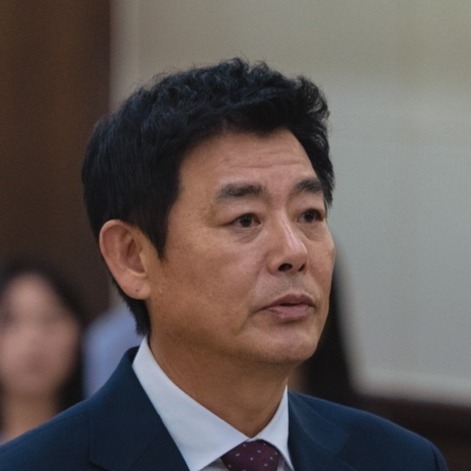
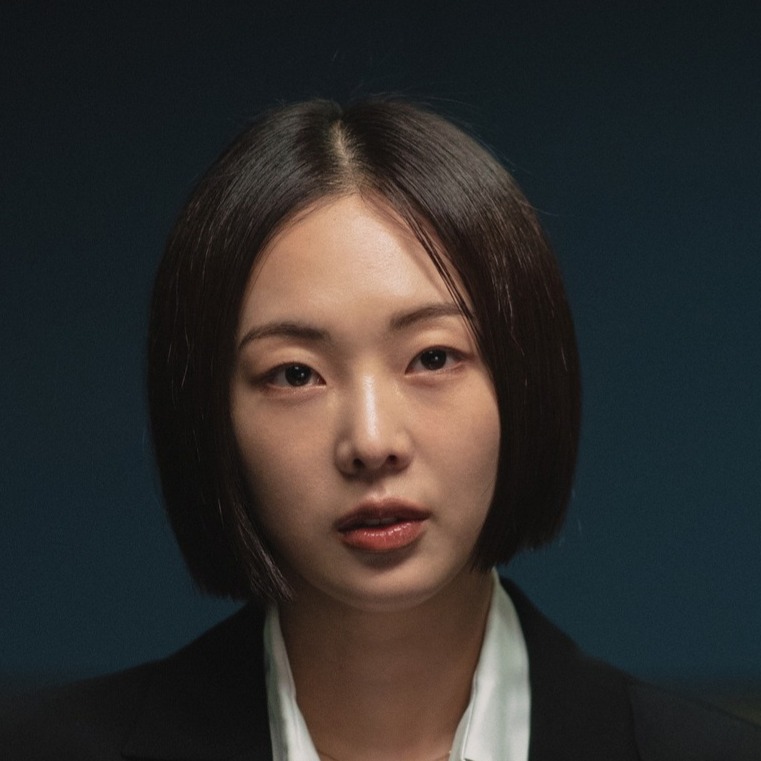
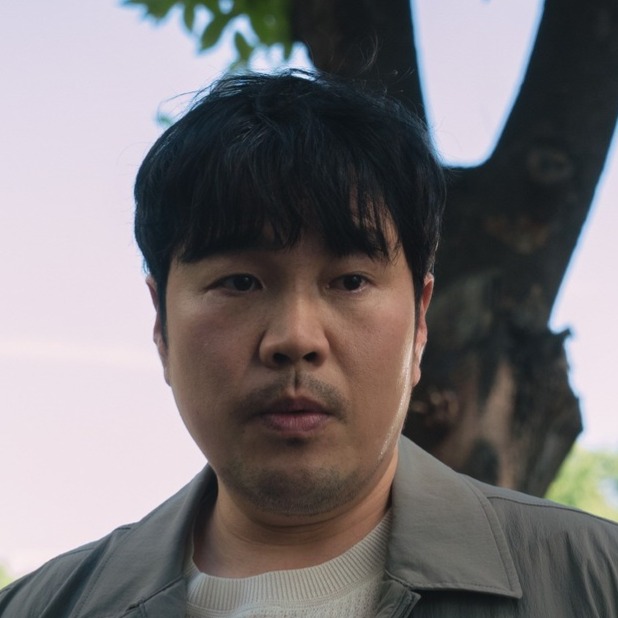
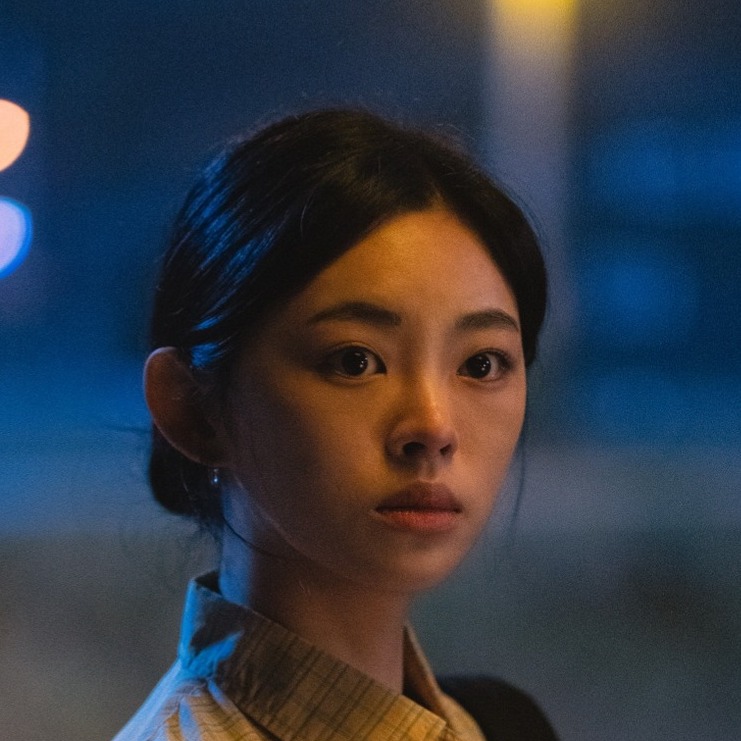
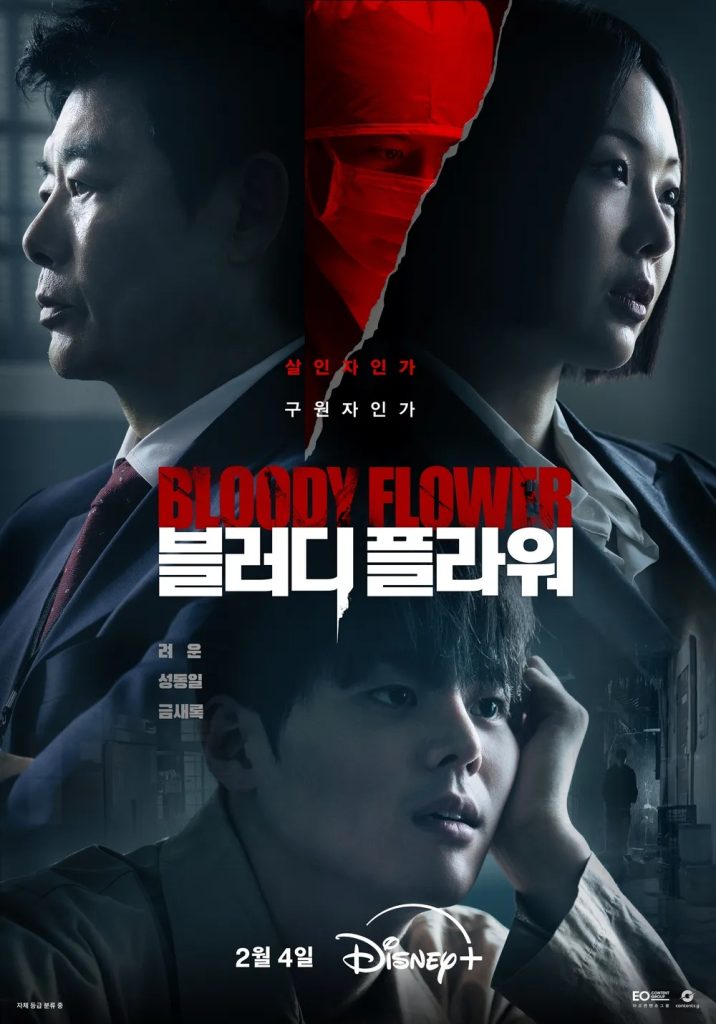
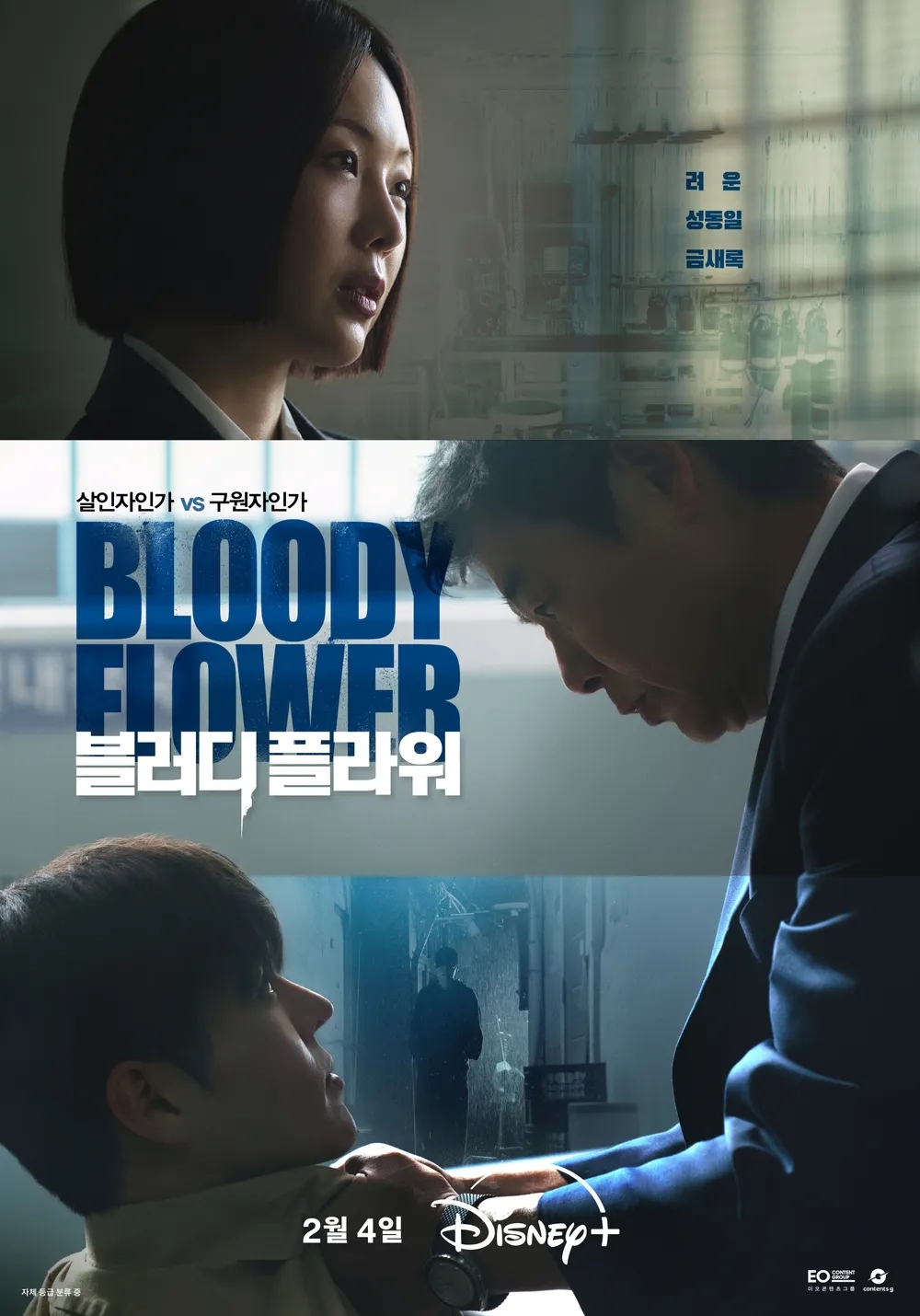
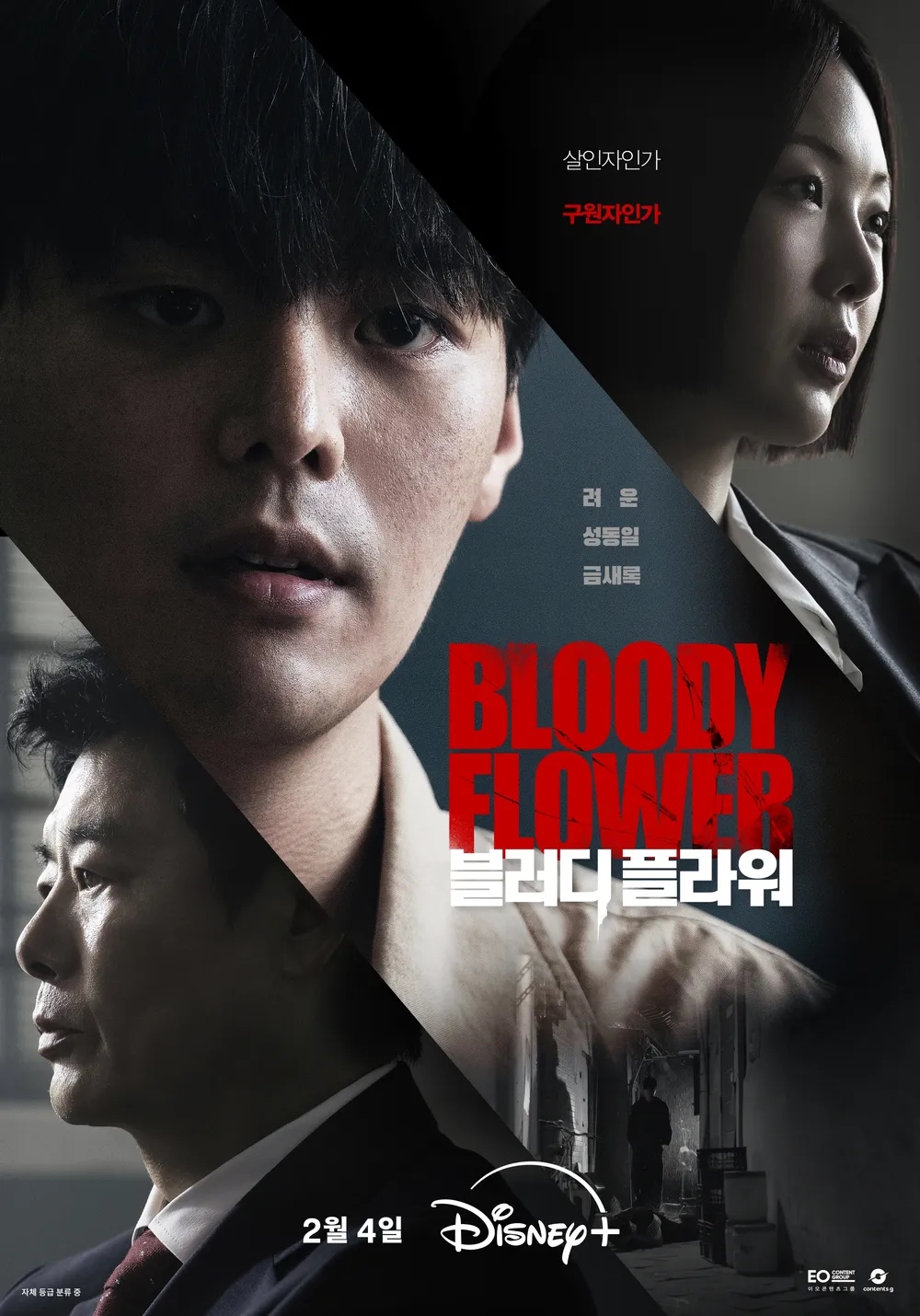
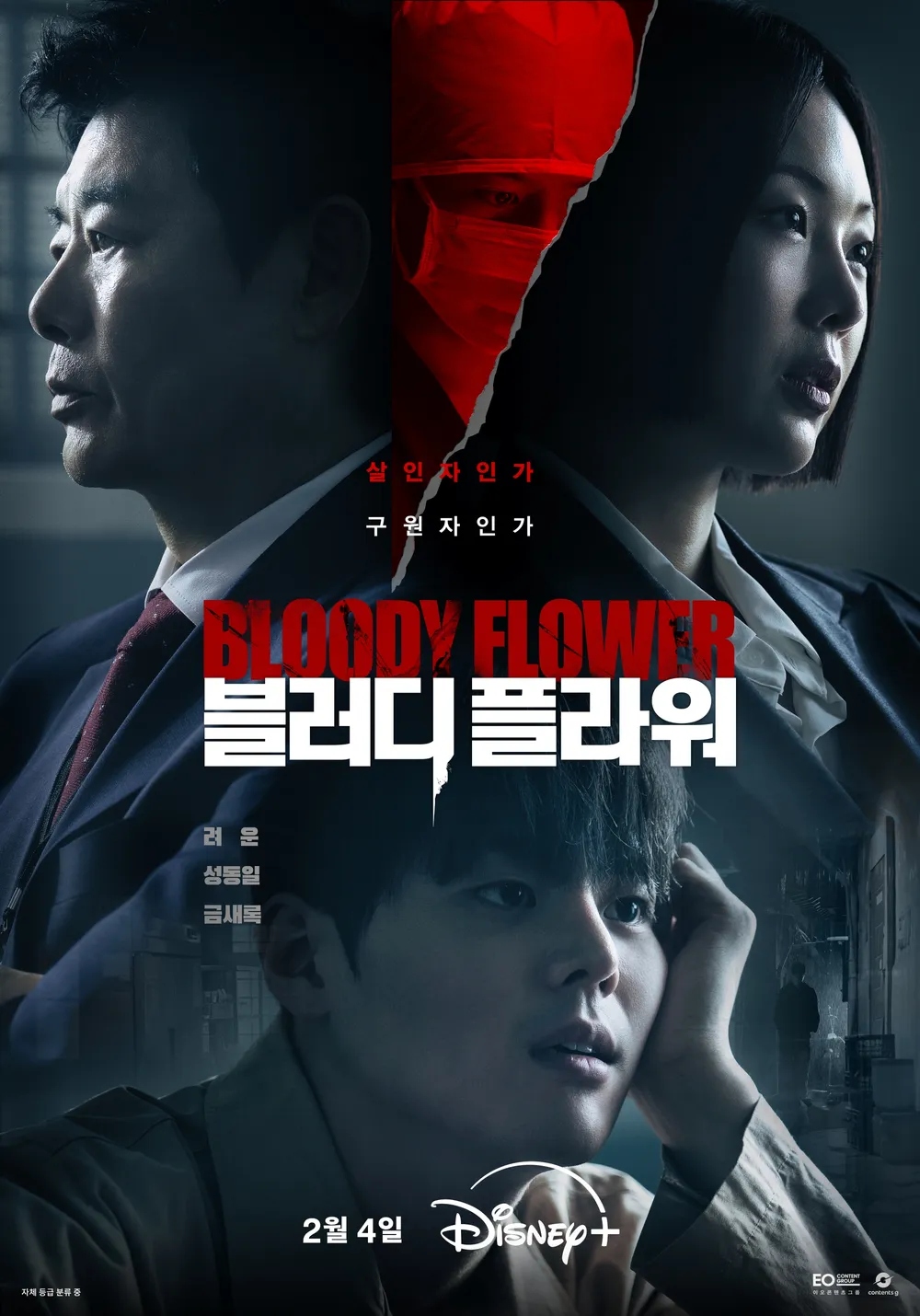
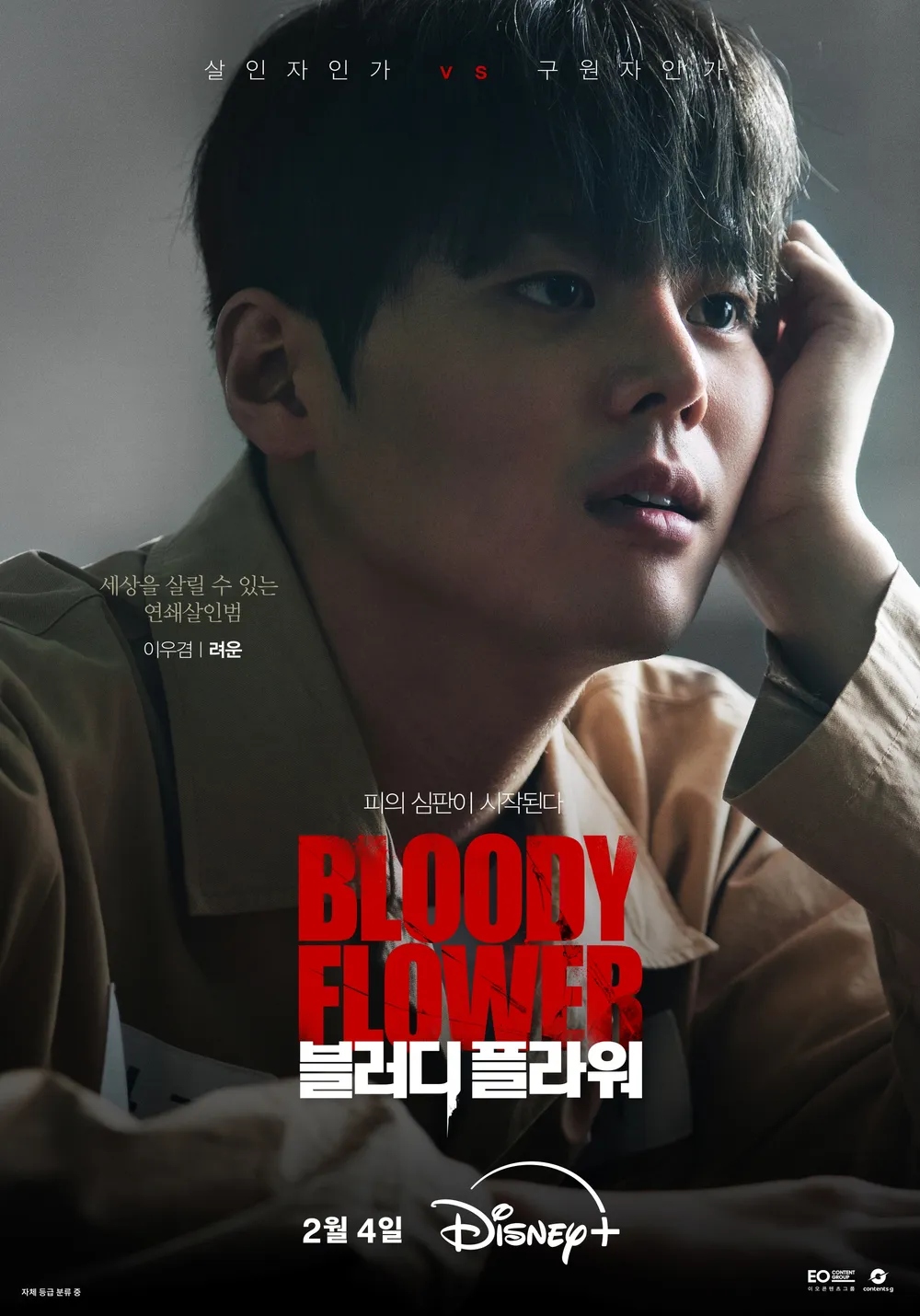
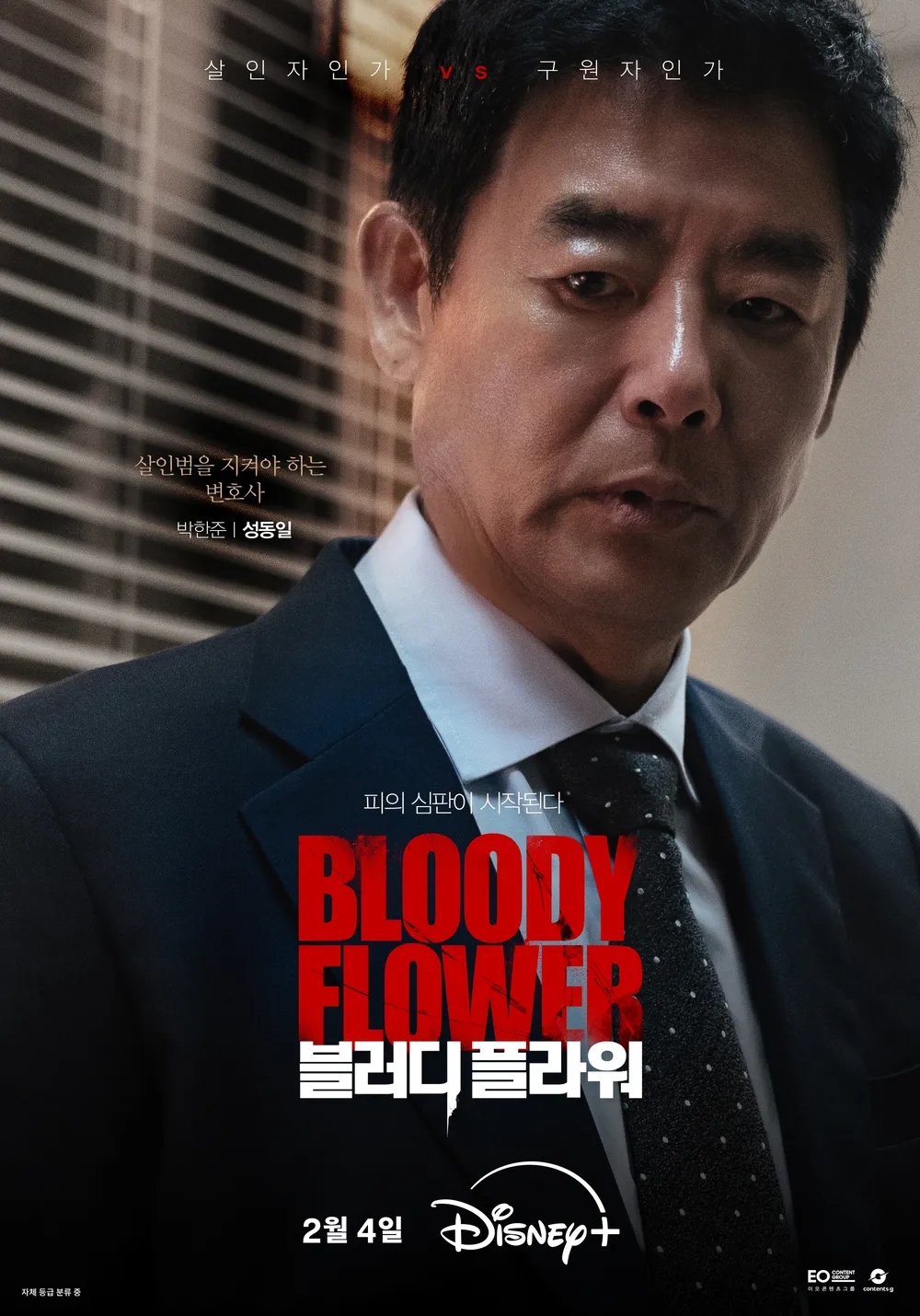
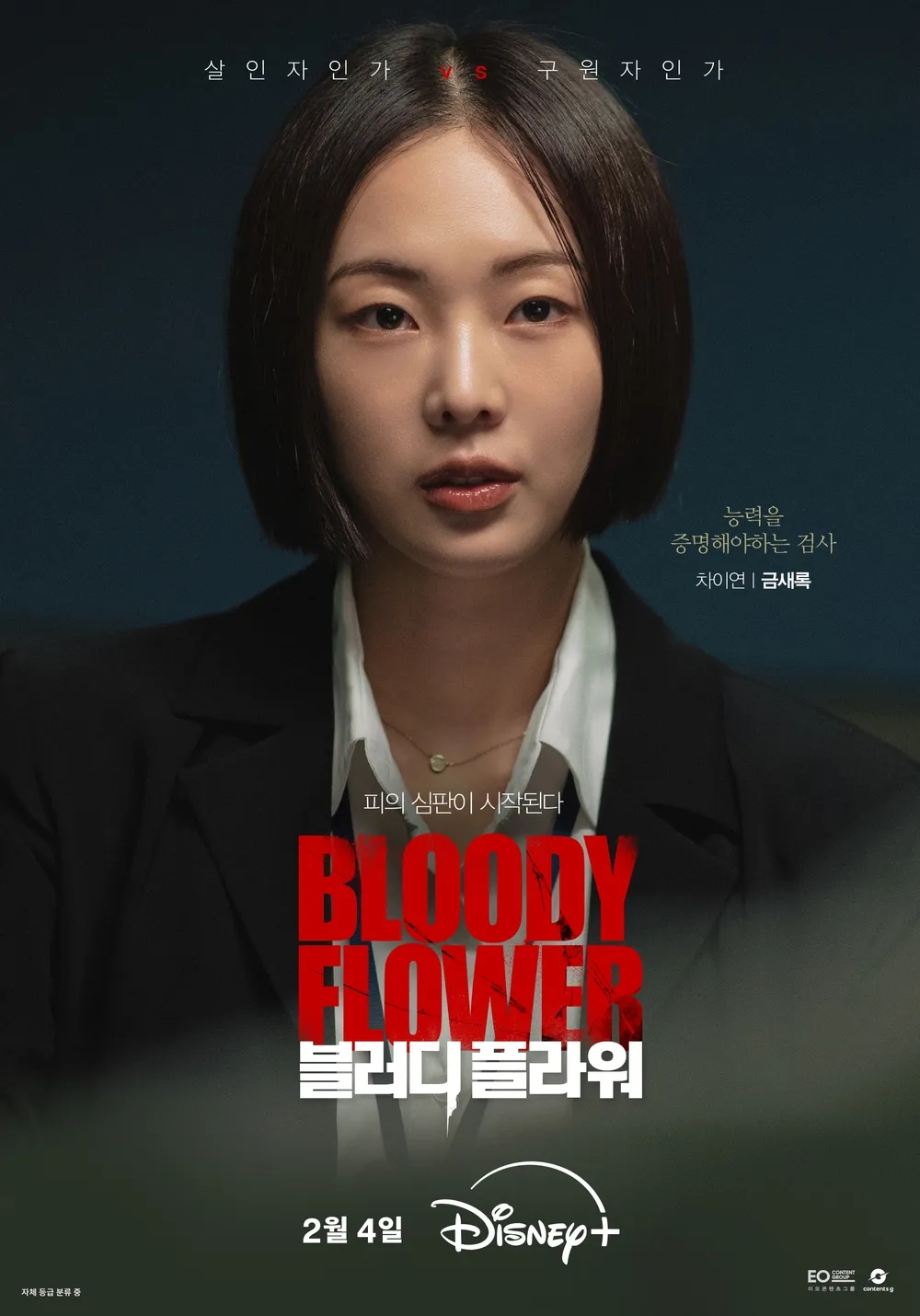
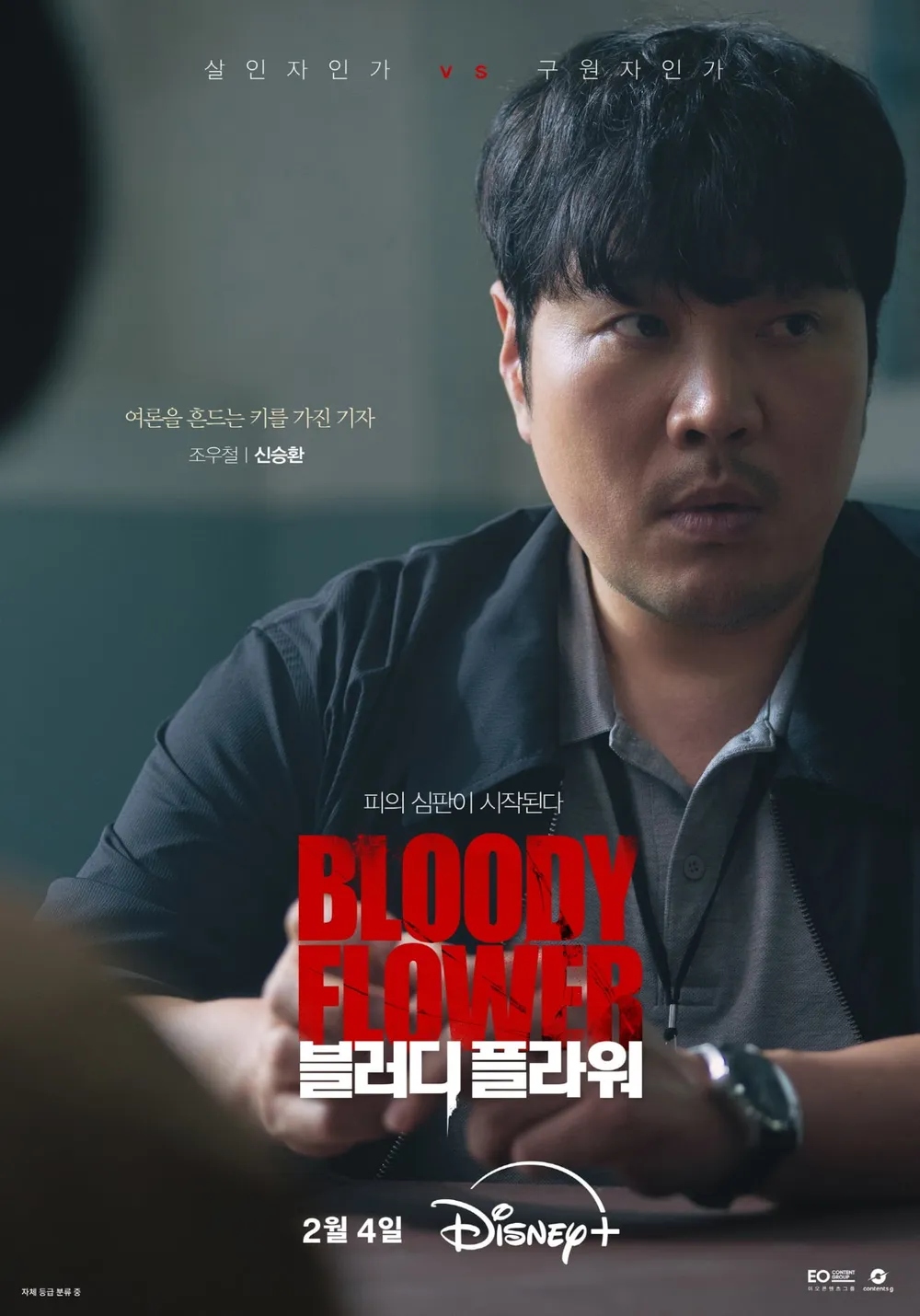
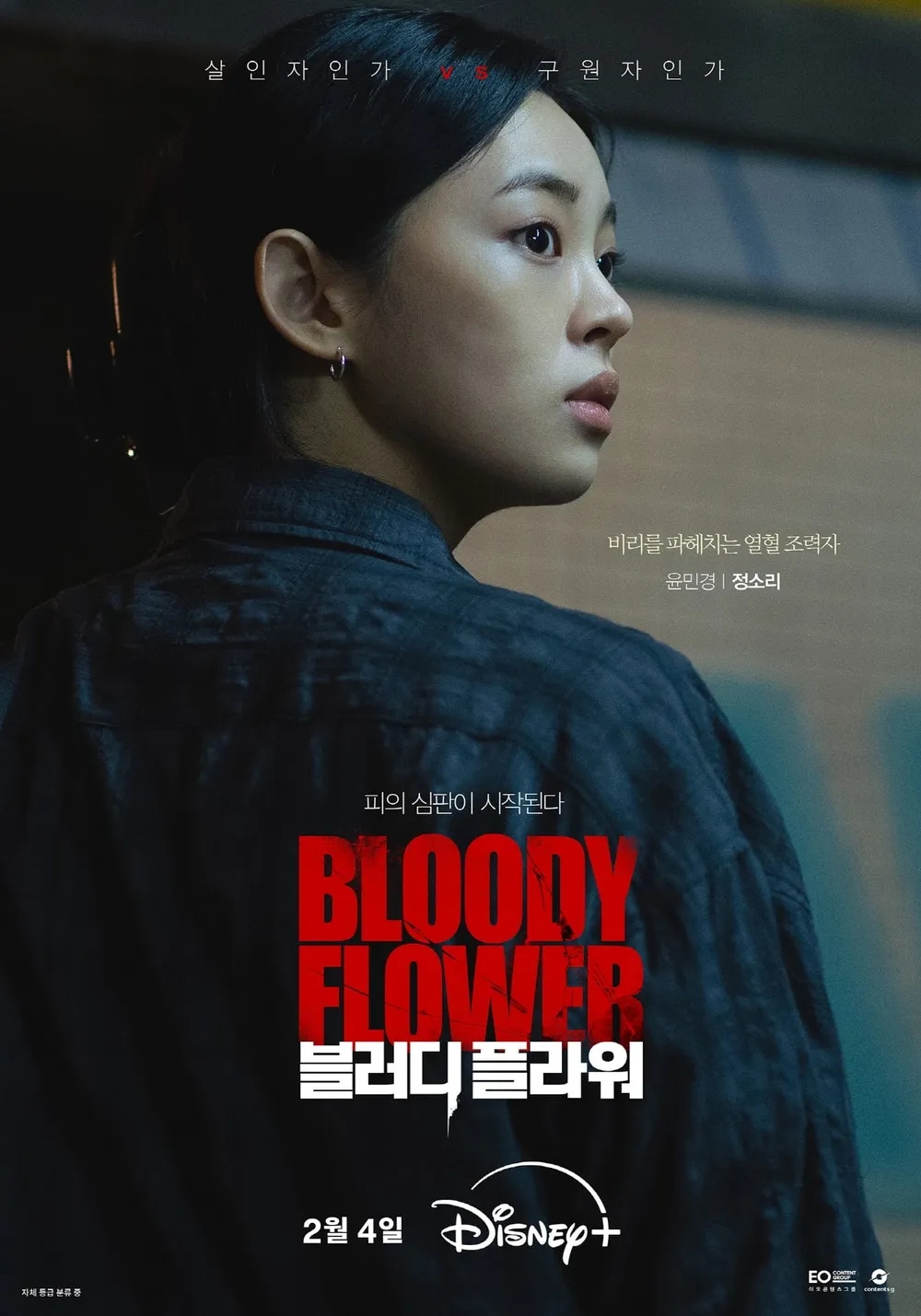
Posters capture the trio's tension through stark, directional gazes and muted tones, hinting at alliances as fragile as glass.
"Bloody Flower" masterfully dissects the human cost of ambition, reminding us that true horror often lurks in the choices we justify. With stellar leads, razor-sharp writing, and a runtime that wastes no beats, it's a triumph for fans of mind-bending K-dramas like "Beyond Evil" or "Mouse." If you're ready to trade easy answers for sleepless nights pondering justice's price, this series delivers in spades. In a year packed with escapism, "Bloody Flower" stands as a vital, vein-pulsing reminder of drama's power to provoke.
Discover the rich world of Korean cinema on our Korean Movie Review Page — your trusted source for thoughtful, spoiler-free reviews of the latest K-dramas, blockbuster films, and independent masterpieces from South Korea. From gripping thrillers and heartfelt romances to historical epics and groundbreaking storytelling, we dive deep into each film's plot, direction, performances, cinematography, and cultural impact. Whether you're a longtime fan of Korean movies or just getting started, our reviews help you explore the best of what Hallyu has to offer. We also highlight must-watch classics, award-winning films, and hidden gems, while providing ratings, trailers, and user comments to help guide your viewing choices. Stay up to date with the vibrant and ever-evolving world of Korean cinema — all in one place.